
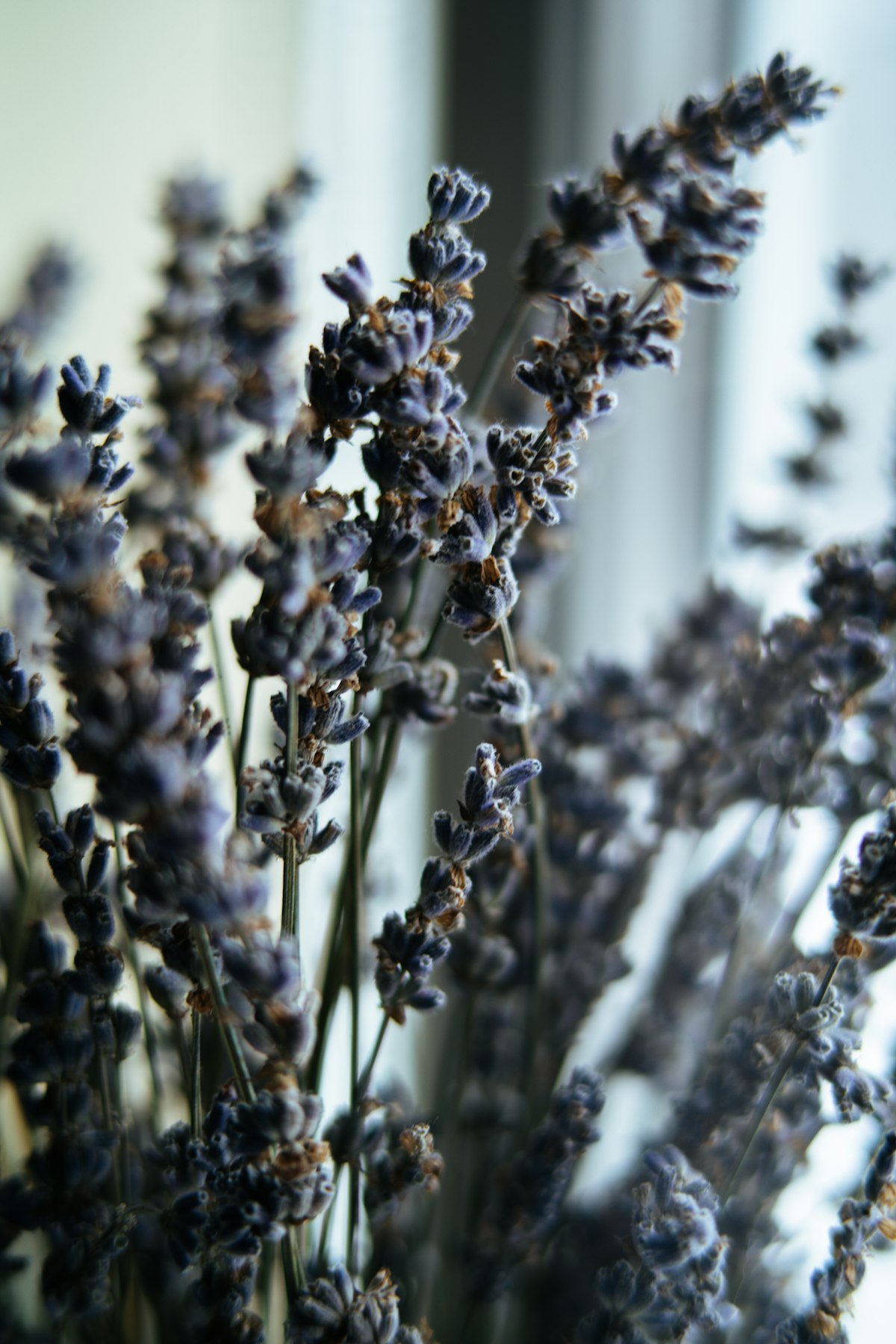
- There are reports that lavender has a positive effect on sleep quality.
- The evidence score is 63, and reliability is moderate.
- Research is included that targets postpartum women and adults without insomnia, as well as people with a history of stroke.
Lavender is a type of plant.
It is commonly used as a fragrance, or inhaled in the context of aromatherapy.
Research has been reported showing that lavender has a positive effect on sleep quality.
It appears that smelling the scent of the essential oil may bring about a change in the quality of rest. A survey has been conducted with 40 participants who have a history of stroke and depressive symptoms. In this study, the method used was inhaling lavender essential oil at bedtime for 28 days (about 4 weeks).
In technical terms, this was carried out as a single-blind randomized controlled trial (a highly reliable research method that verifies an effect while participants do not know which group they are in). In other words, the survey was conducted in a form that suppressed the influence of preconceptions. As a result, changes related to sleep quality and mood were shown.
The evidence score is 63, and reliability is moderate.
The research includes people in a variety of circumstances. For example, there is research targeting mothers in the postpartum period. Here, results show a difference in sleep quality when a group using lavender is compared with a control group that did not (a group matched in conditions for comparison).
This survey was conducted using the methods of a systematic review (a compilation that comprehensively gathers previous high-quality research on a specific theme) and a meta-analysis (a method that statistically integrates individual study results to derive an overall tendency). In other words, this is an attempt to grasp a more overall tendency by combining and analyzing multiple sets of research data.
Research has also been conducted targeting adults who have not been diagnosed with insomnia or similar conditions. This systematic review (a compilation that comprehensively gathers previous high-quality research on a specific theme) showed a positive effect in 14 cases. In other words, it has been suggested that some effect may occur even in people who have no particular sleep issues.
In research on people with a history of stroke, a change in sleep quality was seen as a result of inhaling the essential oil for 4 weeks.
While such reports exist, they are based on several limited conditions. Studies with a small number of participants are also included, and the same kind of result is not necessarily obtained in every case. In addition, depending on an individual's condition, the scent may not suit them.
What has been introduced here is merely a report based on research data, and using these does not mean that a specific condition will necessarily change. Because how it feels can differ from person to person, it is important to check whether it suits you while incorporating it.
| Study | Design | Number of Participants | Duration | Main Result |
|---|---|---|---|---|
| Journal of Ethnopharmacology (2025, PMID:39426576) | Animal experiment | Unknown | Unknown | A positive effect was reported |
| Journal of Complementary & Integrative Medicine (2023, PMID:35080353) | Meta-analysis | Unknown | Unknown | A positive effect was reported |
| Holistic Nursing Practice (2022, PMID:35708558) | Systematic review | Unknown | Unknown | A positive effect was reported |
| Complementary Therapies in Clinical Practice (2024, PMID:38241803) | Randomized controlled trial (RCT) | 40 people | 28 days | A positive effect was reported |
The research subjects include C57BL/6J mice and PCPA-induced insomnia model mice, postpartum mothers, adults with challenges related to sleep quality, and 40 patients with post-stroke depression (PSD).
Cases in postpartum circumstances, adults who feel challenges with sleep quality despite not having insomnia, and cases of patients with a specific disease are among the subjects of this research. These serve as material for comparing against your own circumstances.
There are 4 studies related to this topic in total, carried out in the forms of a meta-analysis, a systematic review, a randomized controlled trial (RCT), and an animal experiment.
Research on the time to fall asleep is reported to be still at the animal-experiment stage, targeting mice.
The reliability of research on sleep quality is considered moderate.
Does inhaling lavender affect falling asleep?
In research using mice, it has been reported that inhalation at a 25.0% concentration shortens the time to onset of non-REM sleep. It has been suggested that GABAergic neurons in the central amygdala may be involved in this.
How is lavender related to sleep quality?
Research has been reported showing a positive effect on the sleep quality of postpartum mothers and adults with challenges related to sleep quality. These studies are based on meta-analyses and systematic reviews.
How has lavender's effect on sleep been investigated?
Meta-analyses and similar methods have been used for sleep quality, while animal experiments have been used for the time to fall asleep. These have been investigated through a variety of study designs.
Several studies have reported that lavender may have a positive effect on sleep quality. However, since this data comes from a limited number of 3 studies and includes surveys narrowed to specific populations, caution is needed not to take the results entirely at face value. Keep in mind that suitability differs from person to person.
Why not check your current sleep condition with the self-check assessment?