
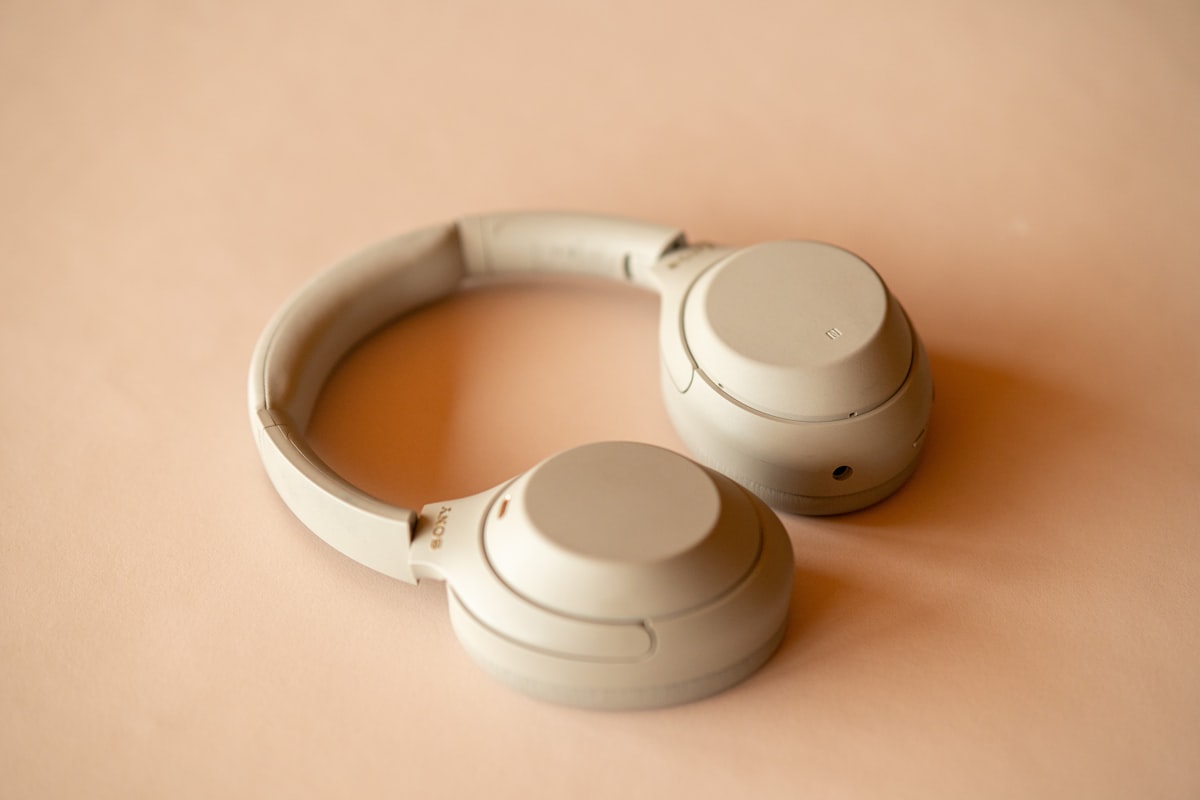
- Listening to music before bed is reported to potentially have a positive effect on sleep quality.
- The evidence score is 79, indicating that the reliability of the research findings is high.
- This information is relevant to adults and students looking for ways to improve their sleep quality.
Pre-sleep music refers to music listened to before going to bed.
In the context of sleep, it is commonly used for purposes such as relaxation.
It has been shown that music before bed may help improve sleep quality.
In a large-scale study of 1,007 adults with insomnia symptoms, the group that listened to music tended to show better sleep quality indicators compared to the group that did nothing. In addition, a smaller study involving 94 students also showed that music increased sleep quality.
These findings are reported in the form of a systematic review (a method that gathers and analyzes multiple past studies together) and a randomized controlled trial (a reliable research method in which participants are randomly assigned to compare effects). In other words, rather than relying on a single experimental result, the possibility that music is related to sleep quality is shown by cross-referencing a large amount of survey data.
Continuing to listen to music for a certain amount of time may be related to its effect on sleep.
In one study, participants listened for 25 to 60 minutes daily over a period of 3 days to 3 months. In another study, the investigation was conducted over 21 days.
These studies examined whether there was a statistically significant difference (a state in which the aggregated data can be said to represent a meaningful difference rather than mere chance). In other words, the results suggest that continuing to listen for a certain amount of time has some effect on sleep quality.
The number of studies in this case is 2, and the evidence score is 79, which is considered high reliability.
This evidence score is an indicator of how certain the reported content is. The higher the number, the more the information is supported by multiple studies. However, the subjects of this research are centered on specific groups, such as adults with insomnia symptoms and students. Therefore, it is not yet known whether the same applies equally to everyone.
In addition, individual studies have their own limitations. For example, the number of participants may be small, or the observed trend may not apply to everyone. It is important to receive this result simply as a research report.
| Study | Design | Number of Participants | Duration | Main Result |
|---|---|---|---|---|
| The Cochrane database of systematic reviews (2022, PMID:36000763) | Systematic review | 1,007 | Not stated | A positive effect was reported |
| Journal of advanced nursing (2008, PMID:18426457) | Randomized controlled trial (RCT) | 94 | 21 days | A positive effect was reported |
The subjects include 1,007 adults with insomnia symptoms and 94 students aged 19 to 28 who struggle with sleep. These studies are based on a total of 1,101 participants.
Adults with insomnia symptoms and students who struggle with sleep-related concerns are the subjects of this research.
There are 2 studies related to this topic.
The study designs include systematic reviews and randomized controlled trials (RCTs).
Caution is needed when interpreting the results, given the characteristics of the subjects and the scale of the studies.
What effect is pre-sleep music reported to have on sleep quality?
A: Research has reported that pre-sleep music has a positive effect on sleep quality. The reliability is considered high.
What data is available on how long to listen to music before bed?
A: A duration of 25 to 60 minutes daily has been shown. The period ranges from 3 days to 3 months.
What age groups are included in research on pre-sleep music?
A: Students aged 19 to 28 are included. Students who struggle with sleep are the subjects of the research.
There are reports that pre-sleep music is associated with improved sleep quality. The evidence score is 79, so the reliability of the research findings can be considered high. However, the number of studies is still small, and since the results are based on specific groups, it should be noted that they may not apply to everyone.
Why not try the self-check assessment to learn about your own sleep condition?