
- There is a research report suggesting that passionflower may have a positive effect on sleep quality.
- The evidence score is 42, and the reliability is considered low.
- This information is relevant to adults with sleep-related concerns.
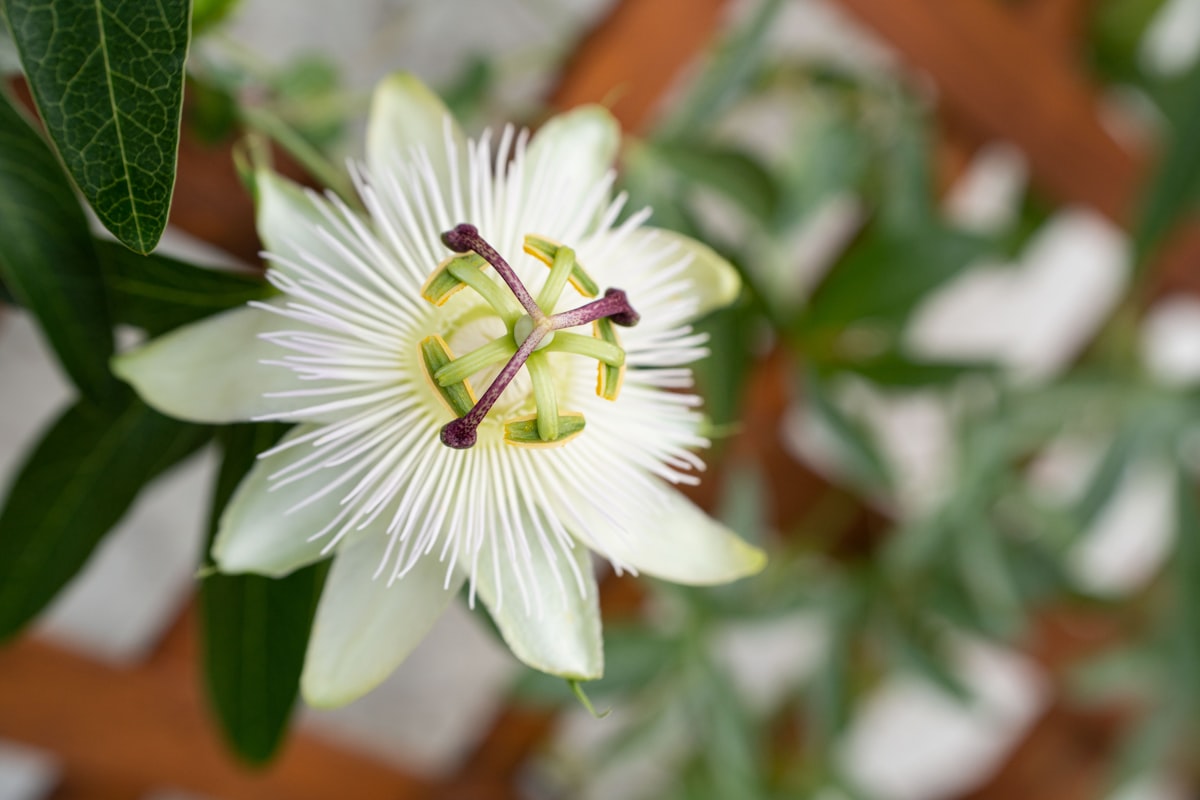
Passionflower is a type of plant.
It is generally treated as something taken in a variety of contexts.
It was shown that taking passionflower may bring about positive changes in values indicating sleep status.
The study involved 110 adults facing the issue of insomnia. In this investigation, participants were divided into a group that actually took the substance and a group that took a placebo (an inactive substance used in trials that is not identifiable as such) for comparison. In other words, this is a mechanism for accurately determining the effect that passionflower itself has.
This kind of investigation was conducted as a randomized controlled trial (a reliable research method in which participants are randomly assigned to compare effects). In other words, by randomizing which group participants were placed in, bias from specific tendencies is prevented. Furthermore, a double-blind method (a method in which neither the researchers nor the participants know which group is which) was adopted. This provides a safeguard against preconceptions or expectations influencing the results.
It has been reported that there was a positive change in indicators such as the length of time spent sleeping.
This study was conducted over a period of 14 days. The participants were 110 adults struggling with insomnia. Through this small-scale study, the effect of passionflower on sleep status was examined.
The investigation used polysomnography (a test that records brain waves, breathing, and other measures to examine sleep status in detail) as its method. In technical terms, sleep quality was evaluated using objective indicators. In other words, measurements were based on machine-recorded data, not just the individual's own sense of "having slept well."
The number of studies in this case is 1, and the evidence score is 42. In other words, this information can still be considered limited.
The reliability of the information is considered low, and caution is needed when interpreting the results. This is thought to be because the number of participants in the study, 110, was relatively small, and the observation period of 14 days was short. Therefore, these results may not apply to everyone, and they may not suit everyone.
| Study | Design | Number of Participants | Duration | Main Result |
|---|---|---|---|---|
| International clinical psychopharmacology (2020, PMID:31714321) | Randomized controlled trial (RCT) | 110 | 14 days | A positive effect was reported |
This is a study of 110 adults with insomnia.
Since this research targets people in a specific condition, it can serve as material for considering whether it may apply to you.
This research is based on only 1 study.
The study design is based on a double-blind randomized controlled trial (RCT).
The reliability of the research report is considered limited.
What effect is passionflower reported to have on sleep quality?
Research has reported a positive effect on sleep quality. This is a report on objective sleep parameters.
Over what period was the passionflower research conducted?
A study conducted over a period of 14 days has been reported. The investigation was carried out over this period.
What kind of people were the subjects of the passionflower research?
110 adults with insomnia were the subjects. This research targets these individuals.
There is a research report suggesting that passionflower may have a positive effect on values related to sleep quality. However, please note that this data is based on only 1 study, and the reliability is also limited. Why not start by learning about your own sleep condition? Try checking your current status with the self-check assessment.